The days of bulky consoles and expensive PC rigs might be numbered. A new era of gaming beckons, one where high-powered graphics and immersive worlds are accessible not just to select enthusiasts, but to anyone with a decent internet connection. This is the promise of cloud gaming, a technology on the verge of a transformative leap.
What is Cloud Gaming?
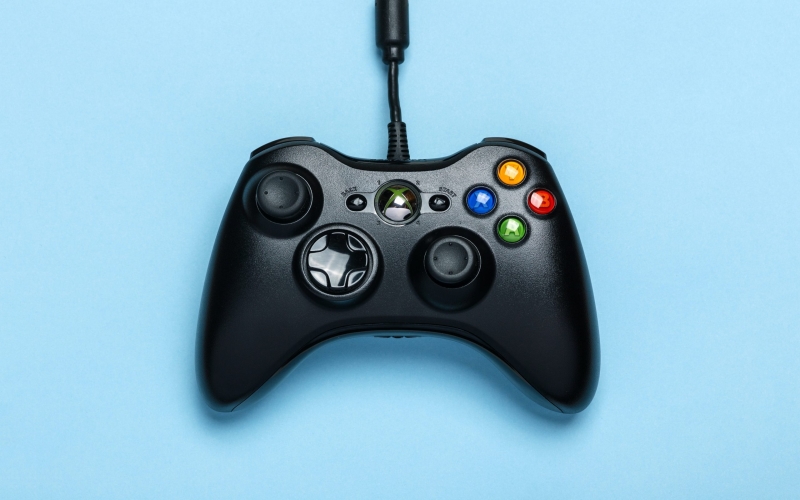
Imagine streaming video games, not movies. That’s essentially what cloud gaming offers. Instead of running games on your own device, you access them remotely through a network of powerful servers. These servers handle all the processing, rendering the graphics and physics, and then streaming the output to your screen in real-time. You control the action through your controller or keyboard, just like a regular game, but the heavy lifting happens in the cloud.
This translates to several advantages:
- No expensive hardware: No need for the latest, high-end PC or console. Cloud gaming lets you play demanding titles on even basic devices like smartphones, laptops, or smart TVs.
- Instant access: No downloads, no installations. Just jump into your favorite games instantly, anytime, anywhere.
- Scalability and power: Experience top-tier graphics and performance without worrying about your own hardware limitations. The cloud’s processing power is only a click away.
- Constant updates: No more manually patching and updating games. The cloud takes care of it all, ensuring you’re always playing the latest versions.
The Booming Cloud Gaming Market
The cloud gaming market is still in its early stages, but it’s experiencing explosive growth. Research suggests it could reach a staggering USD 84.97 billion by 2030, with a compound annual growth rate (CAGR) of 46.9%. This rapid expansion is fueled by several factors:
- Technological advancements: Increasing internet speeds (especially the rollout of 5G) and improved data compression algorithms are minimizing latency, a critical factor for a smooth gaming experience.
- Growing demand for gaming: The global gaming industry is booming, with billions of people playing games across various platforms. Cloud gaming makes gaming more accessible, attracting new players and expanding the market.
- Investment from major players: Tech giants like Google, Microsoft, Sony, and Amazon are entering the fray, launching their own cloud gaming platforms and investing heavily in infrastructure and game libraries.
Challenges and Opportunities in the Cloud
Despite its promising future, cloud gaming faces some challenges:
- Latency: While internet speeds are improving, consistent low latency in all regions remains a hurdle. Any lag or network hiccups can disrupt gameplay.
- Data consumption: Streaming games can be data-intensive, potentially exceeding mobile data plans and adding to internet bills.
- Monetization: Finding the right balance between subscription fees, in-game purchases, and advertising has proven tricky for cloud gaming platforms.
However, these challenges are being actively addressed. Improved infrastructure, better compression algorithms, and innovative pricing models are being developed to overcome these hurdles. The future of cloud gaming is bright, with the potential to democratize gaming, making it accessible to everyone regardless of their location or hardware limitations.
The Future of Gaming is in the Cloud
Cloud gaming is not just a technological shift; it’s a paradigm change. It’s about redefining how we access and experience games. Imagine a world where you can pick up any device, anywhere, and instantly play the latest AAA titles with stunning visuals and smooth gameplay. That’s the promise of cloud gaming, and it’s closer than you think.
So, buckle up, gamers. The future of gaming is here, and it’s in the cloud. Get ready to level up your play and experience a whole new world of possibilities.