
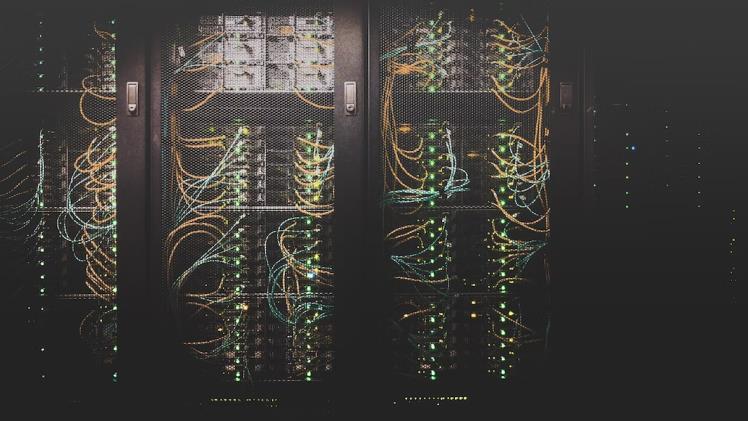
Even to the experienced IT person, the numerous Dell servers can cause confusion. From the PowerEdge M1000e to the FX2s, Dell’s blade servers come in a variety of shapes and sizes with different features and capabilities. But how do they differ?
What is a Dell Blade Server?
First things first: what is a blade server? A blade server is a type of high-performance computer that fits inside a chassis, or “server blade enclosure.” The individual blades are slim and compact and can provide greater density than traditional rack servers. Also, they can save money in terms of energy and space.
Blade servers are usually found in large data centers, where multiple blades can fit into a single rack. This is known as “blade system” architecture and provides for easier management and maintenance.
Different Types of Dell Blade Servers
Now that you understand what blade servers are, let’s look at the different Dell blade servers from Velocity Tech Solutions:
- PowerEdge M1000e: The PowerEdge M1000e is a powerful server that provides an easy-to-manage blade system. Its main features include integrated virtualization, storage and networking capabilities.
- PowerEdge VRTX: The PowerEdge VRTX is a versatile shared infrastructure solution for small data centers. It can house up to four individual blades with integrated storage and networking capabilities.
- PowerEdge FX2s: The PowerEdge FX2s is a modular computer and storage platform with the ability to scale up to 32 independent nodes in a single chassis. It’s designed for both blade and rack servers, making it an excellent choice for data centers of all sizes.
Considering we’re now in the 15th generation of PowerEdge servers, it’s fair to say that we could go on and on about all the different types of Dell blade servers available. But with this quick overview, you should now have a better understanding of the Dell server market. But how do you choose one?
Choosing the Right Dell Blade Server
When it comes to choosing a Dell server, you should always consider your needs above all else. Depending on the size and complexity of your workload, certain servers may be better suited than others. You should also consider the scalability and expandability of the server in question. Ultimately, your decision will depend on a variety of factors.
For more information on Dell blade servers, don’t be afraid to speak to reliable experts. They can provide invaluable advice that will help you make the right decision for your organization.
It’s also important to remember that while Dell blade servers are powerful and efficient, they require regular maintenance to work at their best. It’s always a good idea to keep up with the latest updates and patches to ensure that your server is running smoothly and securely.
Whether you’re looking for a powerful solution or just a reliable platform to host your data, Dell’s blade servers offer a wide range of options. With their scalability and expandability, they are ideal for both large-scale deployments and small-scale operations. And in the end, that’s what really matters – finding a server solution that fits your needs and budget!