
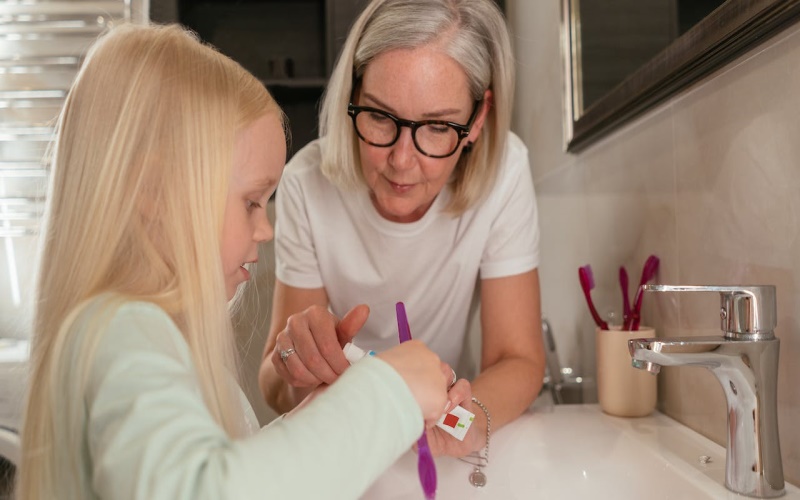
Getting ready for school starts with being healthy, as a child needs to be healthy to be prepared to learn. Being prepared for school involves having a positive foundation in terms of physical, social, and emotional development, as well as language and thinking skills. One often overlooked aspect of this is oral health, significantly influences a child’s readiness to learn. This guide provides practical tips and suggestions to help parents create a classroom environment that promotes good oral health, ultimately contributing to a child’s ability to learn effectively.
Advantages of selecting effective oral health maintenance
Taking good care of oral health brings more benefits than preventing cavities and surprise dental trips. For kids, having strong oral health means less missed school, improved sleep, and higher energy levels. It also boosts their self-esteem and helps them concentrate better since they’re not dealing with mouth pain.
Neglecting oral health can lead to problems like anxiety, nighttime toothaches, tiredness, irritability, and even feeling down. These issues can affect self-esteem and make people want to avoid social activities. Discoloration from tooth decay and misalignment can also impact how we feel about ourselves and interact with others.
Impact of Dental Wellness on School Readiness
A child’s oral health can impact every part of their life, even during preschool in Newmarket. Kids with dental problems might struggle to focus and learn due to pain. They could end up missing more school days. There’s even a chance of developing other serious issues like infections. Sometimes, they might stop smiling, hide their mouths when talking, or pull away from family and friends if people mention their teeth.
The good news is that we can prevent tooth problems, just like how we brush our teeth with fluoride toothpaste twice a day and see the dentist regularly. Eating healthy meals and snacks and drinking water with fluoride also help keep our teeth in good shape.
How can we increase school readiness through oral health?
Encouraging healthy habits for taking care of our teeth begins right at home. When everyone in the family is on the same page, we can avoid dental problems that might otherwise cause issues for our kids at school. It’s been noticed that children who manage to keep their teeth mostly cavity-free by the time they’re 12 and attend schools like Leslie Street Daycare tend to have fewer dental problems as they grow up. This is mainly an outcome of being taught how to care for their dental health at home and seeing the dentist frequently for checkups. Here are some basic recommendations for parents with small children:
- Beginning with the very first tooth, start cleaning the teeth twice a day with a tiny bit of fluoride toothpaste. Don’t worry if a bit gets swallowed – it’s safe.
- Use floss to clean between your teeth every day once they start touching. Floss picks work well too.
- It’s important to take your child to a children’s dentist in Brampton by the time they’re 1 year old. This helps you learn about specific oral health needs at their age. Make sure the dentist can handle emergencies. Visit them every 6 months for checkups, and ask for fluoride treatment.
- Enjoy reading fun dental books or watching TV shows about going to the dentist.
- Try to eat foods with less sugar, especially if they’re eaten often. Cut down on sugary drinks too.
- Avoid snacking throughout the day – this can lead to cavities between your teeth. Sugary stuff can harm your teeth for about 30 minutes after eating or drinking.
- After eating, drink some water – it helps wash away food bits.
- Use water with fluoride for drinking – it’s good for preventing cavities.
Do not share cutlery or participate in activities that include exchanging saliva to stop the transfer of germs that lead to cavities. This is particularly crucial in families with dental issues since these individuals could transmit these harmful microbes to their kids, escalating the likelihood that they will develop cavities. It strongly encouraged parents to fill any gaps to minimize the possibility that they will transmit their children.